
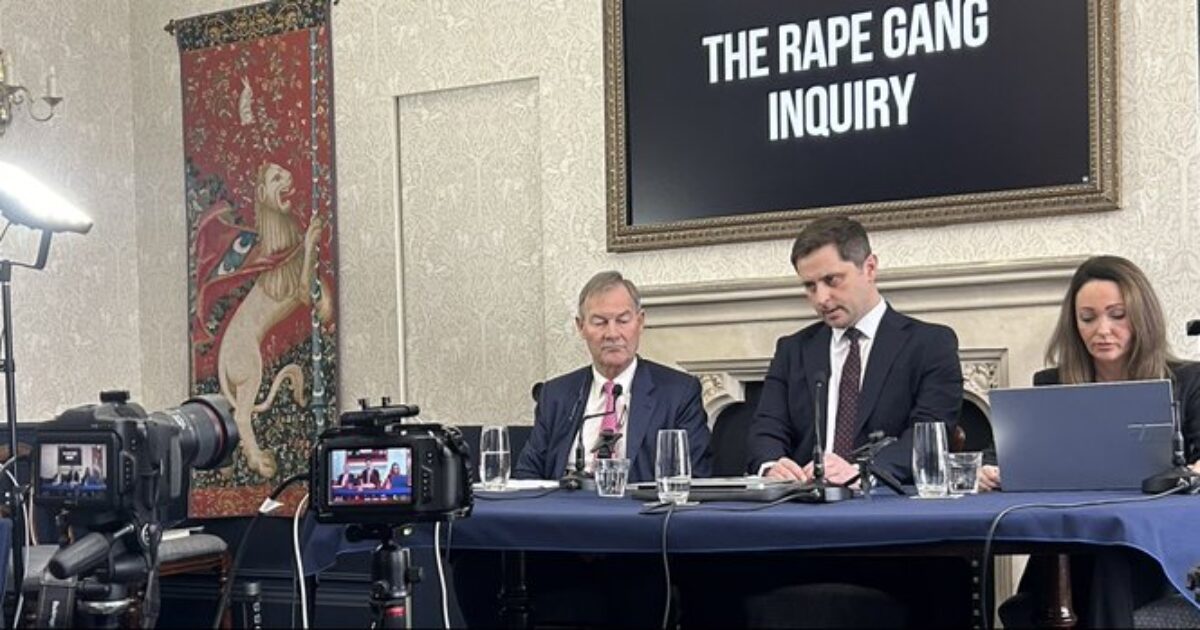


The Independent Rape Gang Inquiry, led by MP Rupert Lowe and funded by over 20,000 donors (over $800,000 raised), is a private, non-statutory initiative. It is not government-backed or livestreamed and, as of February 5, 2026, has completed four days of hearings in London.
Lowe initially promised livestreamed hearings for transparency, stating sessions would be “closed to the public (for safety and control) but broadcast online to guarantee transparency.” This commitment was later reversed. Hearings are now behind closed doors, with only selected evidence and short video clips shared on social media, drawing criticism for undermining the transparency promised when funds were raised.
Unlike official inquiries, this effort lacks compulsory powers but focuses on survivor, family, and expert testimony to document failures in child sexual exploitation cases, mainly involving groups described as Muslim rape gangs—perpetrators largely from Muslim Pakistani backgrounds targeting vulnerable white girls. The inquiry aims to produce a final report and may pursue private prosecutions.
The hearings run for two weeks from February 2, 2026. No date is set for the final report, which will be drafted after the hearings end. There is also no timeline for releasing full footage or transcripts beyond selective clips online. This lack of clarity has raised concerns among supporters about transparency and accountability.
Despite limited mainstream coverage, primarily from outlets such as GB News, key findings from the first four days—shared through Rupert Lowe’s social media and inquiry updates—highlight recurring patterns of abuse and institutional complicity.
Key Findings So Far
Testimonies from survivors, parents, and experts reveal the extensive and organized nature of the exploitation, often described as “industrial” crime perpetrated by Muslim rape gangs. Day 4 (February 5, 2026) focused on policing and justice, with new evidence exposing the involvement of illegal migrants and ongoing system-wide failures.
Survivors described being assaulted by hundreds of men—one cited 600–700 perpetrators, mostly Pakistani Muslim men, resulting in multiple pregnancies. Grooming involved drugs, alcohol, blackmail, and psychological tactics to isolate victims. Abuse occurred in “rape centres” or flats, where girls were passed among networks like a “conveyor belt.” These gangs targeted vulnerable “white girls” seen as outsiders. On Day 4, a survivor presented evidence of a perpetrator not prosecuted for “insufficient evidence,” highlighting emotional cost and barriers to justice.
Multiple parents testified that police ignored reports, dismissed evidence (such as explicit messages on an 11-year-old’s phone), or even returned victims to abusers. Some claimed officers apologized to perpetrators, avoided accusations of racism, and protected offenders due to their backgrounds.
Lowe and witnesses called for investigations into the police for deliberate failures, possibly reaching senior levels. One father was arrested for trying to retrieve his daughter. Day 4 included Marlon West discussing advocacy, frustration with politicians, and calls for policing reform. Survivors were sometimes arrested while perpetrators remained free.
Expert testimony, including from Ayaan Hirsi Ali, identified patterns in which perpetrators, predominantly from Muslim Pakistani backgrounds, targeted vulnerable “white girls” viewed as outsiders. These actions were linked to certain interpretations of Islam or attitudes toward “weak outgroups.”
Multicultural policies were criticized for enabling exceptions and for preventing accountability, allowing these groups to operate with impunity for decades. On Day 4, Fiona Goddard provided testimony showing how cultural factors have been concealed by the establishment and described perpetrators “taking a girl whether she wanted to or not.”
Parents, including Marlon West (father of a survivor), described lifelong trauma: daughters unable to trust others, form relationships, or have children due to fears of systemic failure. Families were “ruined,” with parents enduring significant pain as abuse continued unchecked. Day 4 testimonies were described as “absolutely heartbreaking,” highlighting the emotional impact.
Evidence suggested authorities ignored these crimes for decades due to fears of racism accusations or political correctness, echoing scandals in Rotherham, Telford, and Rochdale.
There were claims of protection for perpetrators, including illegal migrants. Day 4 testimonies confirmed illegal migrants’ involvement in gang-rapes of vulnerable white girls and British children. Lowe called the issue “bigger than anybody realises” and sought Home Office data on convicted illegal migrants, noting convictions are just the “tip of the iceberg” and supporting the death penalty. Witnesses emphasized ongoing abuse linked to the same cultural dynamics.
These accounts reveal the betrayal and suffering allowed to persist by institutions.
The lack of promised livestreaming and firm dates for the full report or footage has raised concerns that evidence could be diluted or delayed.
However, Rupert Lowe has promised transparency and justice, possibly including private prosecutions. His determination offers hope for genuine accountability and improved protection for victims and families.
The post UK MP Rupert Lowe’s Week One Findings on Muslim Rape Gangs appeared first on The Gateway Pundit.